


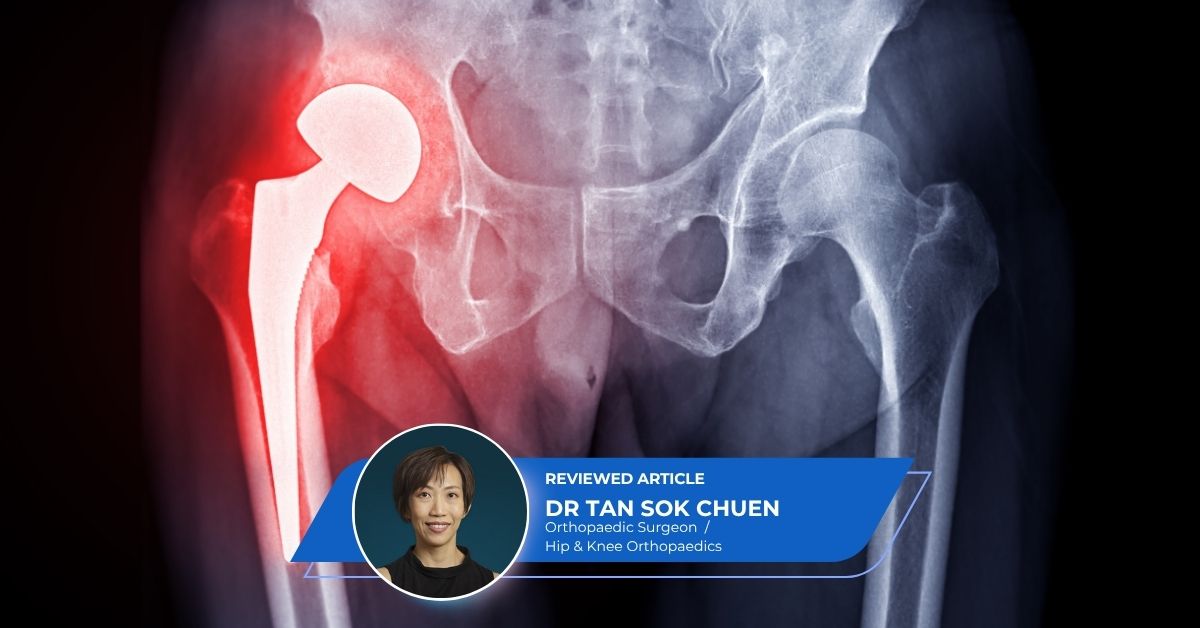
What Is Direct Anterior Hip Replacement?
Direct Anterior Approach (DAA) Hip Replacement is an advanced, minimally invasive surgical technique where the orthopaedic surgeon accesses the hip joint from the front (anterior) of the body, rather than from the side or back.
In traditional posterior or lateral hip replacements, major gluteal muscles and tendons must be cut and later reattached to place the artificial joint. In contrast, the Direct Anterior Approach works between the natural muscle planes. By gently pushing the muscles aside along their natural tissue borders, the surgeon replaces the damaged ball-and-socket joint without detaching or severing any muscle tissue.
Back To: Health365 Comprehensive Guide To Hip Osteoarthritis
Why Direct Anterior Hip Replacement Benefits Active Women
Hip anatomy and biomechanics differ significantly between men and women. Women often have a wider pelvis, different Q-angles (the alignment between the hip and knee), and lower overall muscle mass. Traditional muscle-cutting hip surgery can lead to prolonged limp, pelvic instability, and a longer rehabilitation period for female patients.
Key Advantages For Women
- Immediate Muscle Function: Keeping the gluteus medius intact prevents the “Trendelenburg gait” (a noticeable side-to-side limp during walking).
- Smaller, Discrete Incisions: The surgical incision is made on the front of the hip, which can be placed horizontally within the bikini line to minimize visible scarring.
- Lower Risk of Dislocation: Because the natural posterior muscle wall and joint capsule remain undisturbed, the newly placed artificial hip is inherently more stable.
The 24-Hour Rapid Recovery Protocol Explained
Modern joint replacement focuses on Enhanced Recovery After Surgery (ERAS) protocols. These standardized pathways combine advanced surgical techniques with modern pain management to get patients moving safely on the same day as their procedure.
Step 1: Pre-Operative Preparation & Localised Anaesthesia
Before surgery, patients receive targeted nerve blocks and local infiltration anaesthesia directly around the hip joint. This blocks pain signals at the site without requiring heavy intravenous opioids, preventing post-operative nausea, dizziness, and drowsiness.
Step 2: The Muscle-Sparing Procedure
Using specialized surgical tables and real-time X-ray guidance (fluoroscopy), the surgeon carefully parts the tensor fasciae latae and sartorius muscles. The worn bone and cartilage are removed, and durable ceramic and titanium implants are secured in precise alignment.
Step 3: Same-Day Mobilisation (Within 4–6 Hours)
Once the anaesthetic wears off, a specialized physiotherapist helps the patient stand and take their first steps using a walking frame—often within 4 to 6 hours after leaving the operating room.
Step 4: Walking Unassisted Within 24 Hours
By the morning of Day 1 post-surgery, most patients progress from a walking frame to a single walking stick or walking unassisted, climbing a short flight of stairs, and preparing for discharge home.
Direct Anterior vs. Traditional Posterior Hip Replacement
Who Is A Good Candidate For Direct Anterior Surgery?
While the Direct Anterior Approach offers substantial recovery benefits, surgical suitability depends on individual patient anatomy and health status.
- Active women and men with Grade 3 or 4 hip osteoarthritis (“bone-on-bone” wear).
- Patients with avascular necrosis or severe hip pain unresponsive to injections and physical therapy.
- Individuals seeking a rapid return to work, sports, or independent mobility.
When Alternative Approaches May Be Recommended
Patients with complex hip deformities, previous major hip surgeries with severe scar tissue, or significant abdominal skin folds over the anterior hip crease may be better suited for a traditional or modified lateral approach.
Frequently Asked Questions
No. Because no muscle tissue is cut, most patients report substantially less surgical pain compared to traditional hip replacement methods. Pain is typically well-managed with standard oral pain relief rather than strong opioids.
Modern ceramic-on-polyethylene or ceramic-on-ceramic hip implants are exceptionally durable. Laboratory testing and clinical joint registries show that modern implants have a survival rate of over 90–95% at 20 years.
Yes. Once full wound healing and muscular rehabilitation are complete (usually 6 to 8 weeks), patients can return to low-impact activities like swimming, cycling, golf, doubles tennis, and brisk walking without movement restrictions.
Schedule An Appointment With A Surgeon With Expertise In Hip Replacement Surgery
If you would like to consult an expert hip surgeon on your treatment options, contact us via the button below for assistance to schedule an appointment.
Contact Us
This medical content has been reviewed by Dr Tan Sok Chuen, a Consultant Orthopaedic Surgeon specialising in hip and knee joint preservation, reconstruction, and replacement. She focuses on personalised joint care, minimally invasive techniques, and direct anterior approach total hip replacement to improve patient recovery outcomes. She is the first (and only, as of Sep 2026) female hip & knee replacement surgeon in the private sector in Singapore.
Back To: Health365 Comprehensive Guide To Hip Osteoarthritis
All content on this site is informative only and is not intended to be a substitute for professional medical advice, diagnosis, or treatment, and should never be relied upon for specific medical advice. If you are experiencing a medical emergency, call 995 immediately or go to the nearest Accident & Emergency department.
health365.sg is a member of Group 365Asia.